The Case for India
At a glance
- In a line
- A book that richly deserves to be read to balance our understanding of the colonial past.
- Read it if
- you want a short, passionate account of colonial India.
Read next
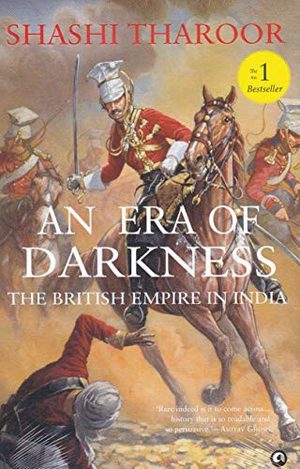
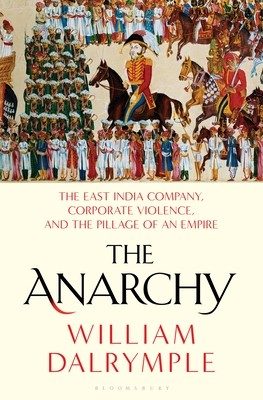
On 28 May 2015, in a debate at the Oxford Union on the subject, "Britain owes reparations to her former colonies", speaking for the motion, Shashi Tharoor quoted this book. I further noticed that the book was cited extensively in Tharoor’s work, “An Era of Darkness: The British Empire in India”. William Durant was a prolific American writer, historian, and philosopher. He is best known for the 11-volume, “The Story of Civilization”, written in collaboration with his wife Ariel and published between 1935 and 1975. He was earlier also noted for his book, “The Story of Philosophy”, written in 1926, which was considered "a ground-breaking work that helped to popularise philosophy."
In 1930, he published “The Case for India” while he was on a visit to India as part of the research for his book “The Story of Civilization”. During his stay, he was taken aback by the devastating poverty and starvation that he saw and he authored a book that highlighted the ruin wrought on India by colonialism.
The book is written in four sections, the first being “For India” where he examines the exploitation of India during the colonial rule and presents statistical data of both economic and social exploitation. He makes a persuasive case drawing on the works of other historians and presents irrefutable arguments that lay bare the vicious cycle of exploitation. He dissects the arguments of another book written at the time titled ‘Mother India’ by Katherine Mayo, calling out the racism and the ulterior motives in its authorship.
The second section is about Gandhi and is more akin to a life history, albeit a romanticised version. The third section titled, “The Revolution”, passionately describes the events concerning the freedom struggle that unfolded from 1920 to 1930. Interestingly, as a counter to his arguments, he has titled the fourth section, “ The Case for England” as he goes about presenting arguments from an English perspective. The conclusion of the book is interestingly titled, “ With Malice Toward None”.
Amongst many dimensions of colonialism that ravaged India, he chronicles the slow destruction of the Indian education system at the village level, the enormous scale of wealth flowing outwards, the diversion of grain, and the ensuing famines and highlights how the Industrial Revolution was funded by Indian wealth after the destruction of the Indian economy. He rubbishes many claims such that the railways were built for the development of India, when in fact they were built only to further trade and move troops.
This is a book that richly deserves to be read by all those who want to broaden and balance their understanding of our colonial past. As a side note, the book was banned by the British Parliament at the time of its publication, after having read the book I know why.
Reviewed by Himadri Bose · Feb 2024