From the talks · Reading – a way of life
On Reading
For about a decade I have been speaking and lecturing on making reading a way of life. This page follows my talk in three parts, why we should read, how to read, and finding your own road to reading, and a fourth that sums it all up and looks ahead. Pick a part below to jump to it; each part opens with a list of its chapters.
Why should we read?
Information versus understanding, reading the same life through many books, and what reading gives the people who keep at it.
6 chaptersPart IIHow to read?
There is a method to reading: why we read, what to read, the four levels of reading, active reading, speed, tools, and how to disagree with a book.
7 chaptersPart IIIFinding your road to reading
Owning a book, making it stick, choosing books, devices and access, finding time, screens, and building a library of your own.
8 chaptersPart IVSumming up
The whole talk in brief, then reading in the age of AI, what being well-read really means, and how to bring children to books.
5 chaptersPart I
Why should we read?
Information versus understanding, reading the same life through many books, and what reading gives the people who keep at it.
Part I · Chapter 1
Well informed or well read?
Information is a click of a mouse or the press of a button away, yet understanding remains as distant as ever. Somewhere along the way we have confused being well informed with being well read.
Most of what we consume arrives already digested: the headline, the clip, the summary, the opinion on an opinion. It feels like thinking, but it asks very little of us. Media we treat as an aid to understanding can quietly do our thinking for us, and we do not even notice.
This page is about the other kind of reading: active reading, where the reader does the work and the understanding is their own.
Part I · Chapter 2
One life, many lenses
Read one biography of Napoleon and you have an opinion. Read four and you begin to understand him. Each is true in part; reading them together is how you form a judgment of your own instead of borrowing someone else's.
Four lives of Napoleon
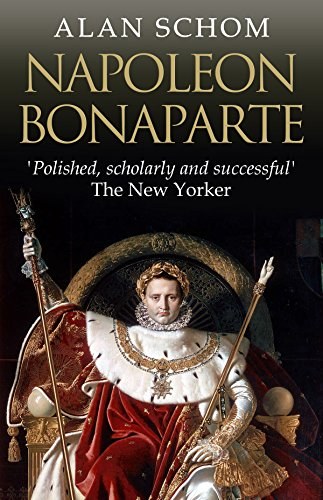 Napoleon Bonaparte · Alan Schom
A sharply critical life, unsparing about the man and his ambitions.
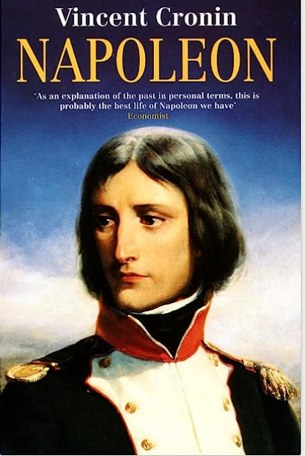 Napoleon Bonaparte: An Intimate Biography · Vincent Cronin
An admiring portrait that sees the statesman and lawgiver behind the soldier.
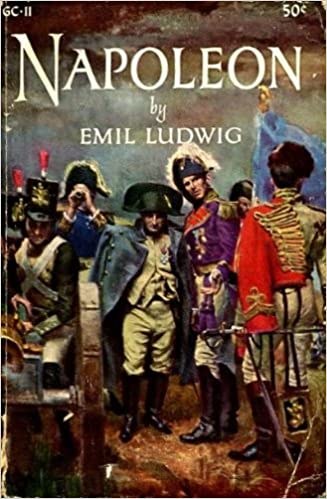 Napoleon · Emil Ludwig
The classic, written in the present tense, and still unmatched for bringing his character to life.
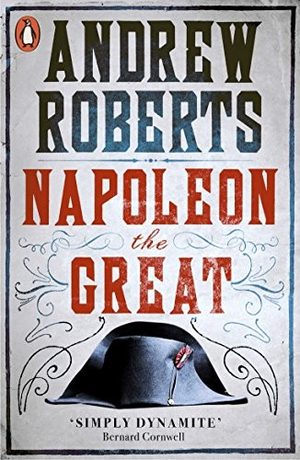 Napoleon the Great · Andrew Roberts note
The outstanding modern account, built on Napoleon's own letters.
To go further, from Five Books
Five picks from Andrew Roberts, biographer of Napoleon, on the books beyond the biographies. Read the interview ↗
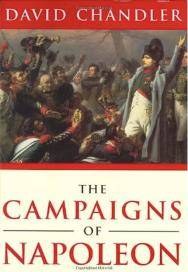 1The Campaigns of Napoleonby David G. Chandler
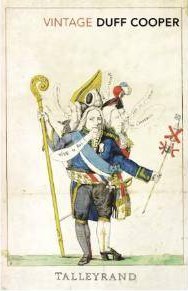 2Talleyrandby Duff Cooper
 3With Eagles to Gloryby John H. Gill
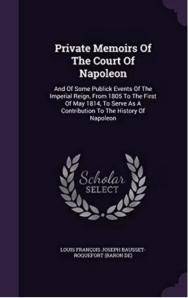 4Private Memoirs of the Court of Napoleonby Louis-François de Bausset
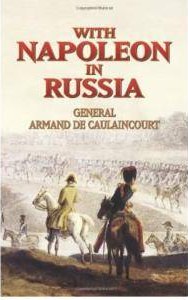 5With Napoleon in Russiaby Armand de Caulaincourt
Three lives of MacArthur
The same holds for MacArthur: a leader of exceptional ability and vision, whose contributions to strategy and post-war reconstruction were significant, but whose ego, authoritarian streak and willingness to challenge civilian authority made him a figure of admiration and controversy in equal measure. No single biography settles him.

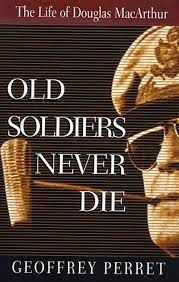 Old Soldiers Never Die · Geoffrey Perret
A fuller, more critical life of the general.
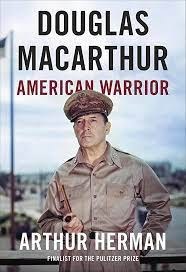 Douglas MacArthur: American Warrior · Arthur Herman
A modern reassessment of the man and the myth.
Part I · Chapter 3
Reading and ignorance
The more well-read you are, the more you understand how little you actually know, and how little you will be able to know in the course of a life.Reading and ignorance
The limits of what we know are only visible from inside a well-stocked mind. Reading does not cure ignorance; it maps it.
↑ ContentsPart I · Chapter 4
Reading and personal growth
Reading is the ultimate tool for harnessing the human spirit of enquiry. Every serious book asks you to step outside your own experience, test it against someone else's, and come back changed.
That is why books are personal. The novelist Haruki Murakami asks whether books have “happened” to you. For a reader, that is the whole point: some books arrive at the right moment and stay for life.
Five reasons to read
- Life experience
- Books let you live an enormous variety of lives without leaving home.
- Self-evaluation
- Every book is a kind of simulator: what would I have done in that situation?
- Heroes
- Books let you think deeply about the people you admire, and why.
- Communication
- Reading well is the foundation of writing and speaking well.
- Leadership
- Leaders who read borrow the experience of everyone who led before them.
Part I · Chapter 5
Great commanders were great readers
The habit runs through the history of command. These are leaders who read widely, often in the middle of war.
- Napoleon
Had read more than most adults by the age of nine, and carried a travelling library with him on campaign.
- Douglas MacArthur
Read voraciously from childhood and built a library of some five thousand books.
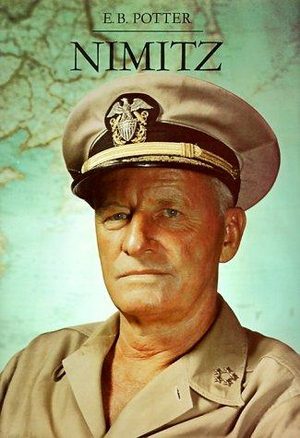 Chester Nimitz
Kept reading even through the Pacific war, often rising at three in the morning to read for two hours before the day's work.
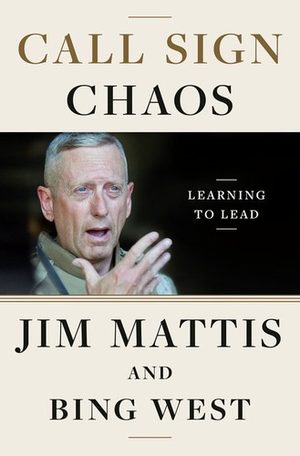 Jim Mattis
Argues in Call Sign Chaos that the basic nature of man has not changed in recorded history, so the past is the best teacher a leader has.
Part I · Chapter 6
What reading gives you
What a reading life gives back, as listed in the talk.
- Personal growth and reflection
- Knowledge, imagination and creativity
- Leadership
- Self-evaluation
- Judgment and conviction
- A richer intellect
- Stress relief
- Vocabulary
- Better conversation and connection
- A sharper mind with age
Part II
How to read?
There is a method to reading: why we read, what to read, the four levels of reading, active reading, speed, tools, and how to disagree with a book.
Part II · Chapter 7
Why does one read?
Knowing why you are reading tells you how to read, and how fast.
- Entertainment
- Reading for pleasure and escape: the novel, the thriller, the story well told.
- Information
- Reading to know what is happening: news, reports, briefs. Fast, and best done in the small gaps of the day.
- Understanding
- Reading to grasp ideas you did not hold before. The author knows more than you do, and reading closes that gap. It is learning from an absent teacher.
- Writing
- Reading in order to write, speak or teach: the most demanding purpose, because you must master the material well enough to pass it on.
Learning from an absent teacher
Reading for understanding has two conditions. First, there is an initial inequality: the author understands something the reader does not, and the book carries that understanding in readable form.
Second, the reader must be able to close the gap, never completely perhaps, but always moving towards the author's level. Reading is learning from an absent teacher: there is no one to ask, so the reader has to do the asking.
Part II · Chapter 8
What should you read? Your reading bouquet
Read across kinds of books, not only within one. A daily basket keeps something ready for every kind of moment.
Fiction
- Classics
- Literary fiction
- Historical fiction
- Contemporary fiction
- Short stories
- Detective and mystery
- Suspense and thrillers
- Action and adventure
- Fantasy
- Graphic novels
- Poetry
Non-fiction
- History
- Biography and autobiography
- Memoirs
- Essays
- Strategy and international affairs
- Science and ideas
- Professional reading
- Self-help, sparingly
A daily reading basket
- Fiction
- For imagination, empathy and the pleasure of a story well told.
- Non-fiction
- For understanding: history, biography, strategy and ideas.
- Informational
- News and briefs, best taken in the small gaps of the day.
- Professional
- The reading your work demands, at least every few days.
Part II · Chapter 9
The four levels of reading
“Some books are to be tasted, others to be swallowed, and some few to be chewed and digested.”Francis Bacon
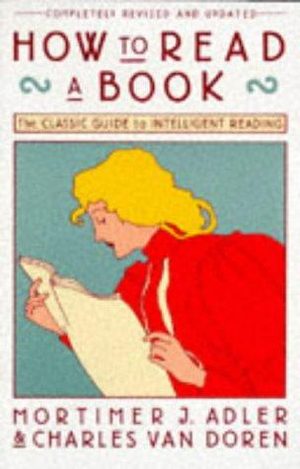
Each level includes the ones before it. Match the level to the book and to your purpose. The method draws on Mortimer Adler and Charles Van Doren's How to Read a Book.
Elementary
What does the sentence say?
The basic skill of reading, learned at school. It is the foundation for everything else.
Inspectional
What is the book about?
Getting the best of a book in limited time: skimming the contents, preface, index and key chapters to judge its argument and whether it deserves more.
Analytical
What does the book mean, and is it right?
A thorough, unhurried reading when time is not a constraint. It is the best kind of reading, and the one that changes how you think.
Syntopical
What do several books say on this subject?
The most complex and demanding level: reading several books on one subject analytically and against one another, to build your own understanding of the question.
Part II · Chapter 10
Active reading: four questions
Active reading is the reader's obligation, from inspectional reading upwards. Ask four questions of every serious book; the last matters most.
- What is the book about as a whole? Find the leading theme.
- What is being said in detail, and how? Identify the main ideas and arguments.
- Is the book true, in whole or in part? Make up your own mind.
- What of it? Where are you at the end of it? What has changed in your thinking?
Part II · Chapter 11
Reading speed
“Every book should be read no more slowly than it deserves, and no more quickly than you can read it with satisfaction and comprehension.”Mortimer Adler and Charles Van Doren
- Focusing and regression
- When attention drifts, the eye slips back over lines already read. A pointer or a finger keeps it moving forward.
- Speed and the type of reading
- Inspectional reading is quick because you read less of the book, not just faster. Analytical reading takes the time it takes.
- Comprehension and retention
- No speed-reading course improves understanding. The aim is to read at different speeds and to know when each is right.
In short
- There is no recommended or ideal reading speed. Different kinds of reading need different speeds.
- Concentration and speed go together. When attention drifts, the eye slips back over lines already read; a pointer or a finger helps avoid this regression.
- Comprehension and retention matter more than pace. Nurture concentration, comprehension and speed together.
Part II · Chapter 12
Extrinsic tools
Do everything you can with the book itself before reaching outside it. Then these help, used sparingly.
- Experience
- What you already know and have lived through.
- Other books
- Read alongside, before or after the book in hand.
- Commentaries and abstracts
- Useful after your own reading, risky before it.
- A dictionary
- For the words that carry the argument.
- Web research
- For facts, context and the author's other work.
Part II · Chapter 13
Disagreeing with a book, and difficult books
There is no book so good that no fault can be found with it. First be able to say “I understand”; then you have earned the right to agree, disagree or suspend judgment.
Four grounds for disagreeing
- Uninformed
- The author lacks a piece of knowledge relevant to the problem.
- Misinformed
- The author asserts what is not the case.
- Illogical
- The author has made a mistake in reasoning.
- Incomplete
- The analysis does not solve all the problems it set out to.
Difficult books
Should you read the so-called difficult books even when you are struggling? Yes. On a first reading, go straight through without stopping to look up or puzzle over what you do not yet understand. Reaching for help too early breaks the thread; the second reading is for the details.
Judging fairly
- Disagreement comes only after understanding. First be able to say, “I understand.” Then you have earned the right to agree, disagree or suspend judgment.
- There is no book so good that no fault can be found with it. When you disagree, be specific: is the author uninformed, misinformed, illogical, or is the analysis incomplete?
- Plough through the difficult books; do not avoid them. The books you struggle with are usually the ones that stretch you most.
- Use extrinsic aids sparingly. Experience, other books, commentaries, a dictionary and web research all help, but leaning on them too early takes value away from your own reading.
Part III
Finding your road to reading
Owning a book, making it stick, choosing books, devices and access, finding time, screens, and building a library of your own.
Part III · Chapter 14
Owning a book
Buying a book is not owning it. Owning a book is the start of the journey of reading it: marking it, arguing with it, keeping what matters.
- Underlining
- Mark the major points and the forceful statements.
- Vertical lines in the margin
- Flag a passage too long to underline.
- A star or mark in the margin
- Use sparingly, for the ten or twenty most important passages in the book.
- Numbers in the margin
- Track a sequence of points in an argument as it develops.
- Writing in the margins and on the end pages
- Record your questions, answers and your own outline of the book.
- Your own small book of books
- A notebook of the books you have read, with the ideas worth keeping from each.
Part III · Chapter 15
Making it stick
Notes, reviews, extracts and discussion are what make reading stick.
Three kinds of notes
Structural
Notes on the structure of the book: what kind of book it is, what it is about, and how its parts are ordered.
Conceptual
Notes on the ideas themselves: the author's key terms, propositions and arguments, and your own judgment of their truth.
Dialectical
Notes on the shape of a discussion across several books: where authors agree, where they differ, and what the real issues are.
Methods
- Linear notes
- The familiar method: headings and points written in order as you read. Simple, quick and easy to review.
- Mind maps
- The central theme in the middle of the page, with ideas branching out from it. Good for seeing how a book's arguments connect.
- The Cornell method
- Divide the page into a wide column for notes, a narrow column for cues and questions, and a strip at the bottom for a short summary in your own words.
- Index cards and placeholders
- One idea or quotation per card, or flags and sticky notes in the book itself. Cards can be shuffled, sorted and reused across books and projects.
- Reviews
- Writing a review is the most complete note of all. It forces you to state the argument, judge it and say what it means.
Why take notes?
- Knowledge
- To remember and build on what you have read.
- Talk
- To discuss a book, brief others or give a lecture.
- Authorship
- To write your own papers, articles and reviews.
Notes by medium
- Printed books
- Write in the book itself, and keep a notebook alongside.
- PDFs and e-books
- Use the highlight and comment tools, then export the notes into a document of their own.
- Audiobooks
- Pause to jot down ideas, or bookmark passages and return to them in print.
Tools
- A simple notebook
- Notebooks kept for each book or subject
- List tools and apps such as Evernote
- Index cards and card books
- Documents on a computer
- The book itself
Part III · Chapter 16
Choosing books and making lists
All books are not equal, and they are not to be read equally, so the first skill is choosing well. For lists to start from, see the Recommendations.
Eleven thoughts on reading choices
- Read to satisfy your own inquiry. Find the domain or domains that genuinely interest you. Curiosity is the engine; a reading habit built on someone else's interests rarely lasts.
- Time spent reading is not coming back. Every hour given to a weak book is an hour taken from a great one, so choose carefully before you begin.
- Select a book after reading a few reviews and recommendations. A quick look at two or three serious reviews tells you what a book argues, how well it argues it, and whether it suits your purpose.
- Use recommendations from people whom you trust. A colleague, teacher or friend whose judgment you respect is the best filter there is.
- Create and maintain a reading list. A list gives your reading direction. Without one, you read whatever happens to be in front of you.
- A reading list for all is a reading list for none. Published lists are a starting point, not a prescription. Borrow from them, but make the list your own.
- Vary your reading for a more rounded intellect. Try a 70:30 ratio: about seventy per cent in your main areas of interest and thirty per cent at the periphery. The periphery is often where new ideas come from.
- Read books that challenge your deeply held convictions. Agreement is comfortable but teaches little. A strong argument against your view either changes it or makes your own case sharper.
- Choose books that present both sides of the argument. If you have read Neville Maxwell's India's China War, then read a book centred on India's version. Understanding a dispute means hearing each side at its best.
- Draw limits to your inquiry. A good subject can pull you deep into one genre for years. Know when to surface and turn to something different.
- Self-help books only help you so much. Draw a line on your indulgence with them. History, biography and serious non-fiction often teach the same lessons with far more depth.
Where to find reading lists
Good places to start a list of your own. A reading list for all is a reading list for none.
- Five Books
- Goodreads
- Literary Hub
- Penguin
- The Guardian
- TIME
- The Greatest Books
- Amazon
- Lifehack
- Oberlo
- Military professional reading lists
Part III · Chapter 17
Books, devices and access
Books and devices
- Cost
- E-books and libraries make more reading affordable; print is for the books you will keep.
- Extras
- Devices bring search, dictionaries, highlights and notes you can export.
- Reading experience
- Print is easier on concentration and memory for serious reading.
- Utility
- A phone or e-reader turns every queue and commute into reading time.
Access
- Access
- Carry a book, carry a device, carry something to take notes in, and consider digital notes. You cannot read what you do not have with you.
You cannot read what you do not have with you. Carry a book, carry a device, carry something to take notes in.
Part III · Chapter 18
There is always time
The bottom line is that there is always time. Find it, create it, and work out a way to make it work.
- Time is the ultimate wealth. As Morgan Housel argues in The Psychology of Money, control over your own time is the real measure of wealth. Reading is one of the best uses of it.
- A day has only 24 hours. A typical day has 16 to 17 waking hours. Take out work and you are left with about six. That is why time for reading has to be managed, not hoped for.
- All days will never be equal. Work, family and personal growth compete for the same hours. Some days will give you two hours to read, others ten minutes. Both count.
- Time comes in slots and windows. A slot is a sliver: ten minutes in a queue, a commute, a wait. A window is a longer stretch you can protect. Learn to see both.
- Time can be found, and it can be created. Finding time means using the gaps that already exist. Creating time means deciding that reading matters more than something else, and giving it that place.
- Small slots add up. Three ten-minute slots a day add up to roughly 52,000 words a week. That is a 200-page book.
- Keep a daily reading basket. Hold something for every kind of slot: a news aggregator for information in the gaps, a book for understanding in the windows, and professional reading at least every few days.
- Make reading for understanding an event. Serious books need concentration and the right surroundings. Give them a special place and a special time.
- Always have something to read. Carry a book or a device. You may have the time and still not read because nothing is to hand.
- Watch the screens. TV, the internet and the phone: how much is too much? It is your time, so value it. The perils of digital distraction are known to all.
- If you have lost the habit, set small goals. Set daily goals by pages or minutes, and track your reading with a reading log.
Part III · Chapter 19
TV, mobile and internet: how much is too much?
Television, the internet and the phone keep us busy reacting to things outside us. They give the impression of an active mind, but the effect wears thin: we need more of them to feel the same, and in the end they leave little behind. Without resources of our own, we stop growing.
How much is too much is a question only you can answer. But it is your time, so value it, and notice what the screen is taking from the page.
“Books are not read by the majority because they read the Internet, which is like junk food for the mind.”Nassim Nicholas Taleb↑ Contents
Part III · Chapter 20
Nurture your reading, and make it personal
Nurture how you read
- Comprehension
- Read to understand, not to finish.
- Reading speed
- Read at the speed the book deserves.
- Focusing techniques
- Protect the time and the place; use a pointer.
- Note-taking
- Mark, summarise, review: make it stick.
- Those special books
- Keep a few you return to, and reread them.
Make it personal
Make it personal. A reading list for all is a reading list for none: follow your own questions, keep your own lists, and let your reading answer to your curiosity rather than anyone else's.
Part III · Chapter 21
Libraries, your own library, goals and logs
Use libraries freely. And build a library of your own: books you own are books you keep using, marking and returning to.
A private library is not an ego-boosting appendage. Own one.From the talk
Reading goals and logs
If you have lost the habit, set small goals, by pages or by minutes, and keep a reading log. It shows you what you read, and what you keep avoiding. See the Bookshelf for a log kept since 2019.
↑ ContentsPart IV
Summing up
The whole talk in brief, then reading in the age of AI, what being well-read really means, and how to bring children to books.
Part IV · Chapter 22
The talk in brief
The talk is a journey in three stages that ends in a habit for life. Each part in a few lines; follow a heading to read it in full.
Why read?
- Being well informed is not the same as being well read: information is everywhere, understanding is not.
- Read several books on the same subject or life, and form a judgment of your own.
- Reading shows you how little you know, and that is where growth begins.
- Great leaders, from Napoleon to Mattis, were great readers.
How to read?
- Know why you are reading; it decides what to read and how fast.
- Keep a varied reading bouquet, and match the level of reading to the book.
- Read actively: ask what the book says, how, whether it is true, and what of it.
- Understand a book first; only then agree, disagree or suspend judgment.
Finding your road
- Own your books: mark them, argue with them, keep notes.
- Choose deliberately and build lists of your own.
- There is always time; find it, create it, and guard it from screens.
- Make reading personal, use libraries, and keep a log.
Reading is not a hobby to fit in when there is time. It is a way of life: chosen, nurtured and kept up, one book at a time.From the talk↑ Contents
Part IV · Chapter 23
Reading in the age of AI
In an age of information overload, why read whole books when answers are readily available?
- AI
- can help you answer questions.
- Books
- can help you understand questions.
- Judgment
- helps you decide which questions matter.
Ask AI for the causes of the First World War and you will get an excellent answer in seconds. Read Christopher Clark's The Sleepwalkers, Barbara Tuchman's The Guns of August and A. J. P. Taylor, and you begin to understand how complex the question is. But faced with a real decision, with uncertainty, incomplete information and human consequences, neither AI nor books can decide for you. Judgment remains irreducibly human.
Read the full essay: Why Read When the Machine Can Answer? →
↑ ContentsPart IV · Chapter 24
What does well-read mean?
Not how many books, but what they leave behind.
- The dictionaries define well-read as having read widely and acquired a great deal of knowledge from books. The emphasis belongs on the second half.
- Quality matters more than quantity. Most books deserve only an inspectional reading; a few deserve an analytical one; syntopical reading is for the very few.
- Reading is like cycling: the sum of many small skills. Master the parts and the whole looks after itself.
Part IV · Chapter 25
Getting children to read
Seven habits that help a young reader.
- Create a reading-friendly environment Books within reach, a comfortable corner, and screens out of the way.
- Make reading a routine A fixed time each day, such as before bed, turns reading into a habit.
- Choose the right books Let children follow their own interests, at a level that stretches without discouraging.
- Make reading fun Read aloud, act out stories, visit libraries and bookshops together.
- Talk about books Ask what they liked, what surprised them, what they would have done.
- Celebrate milestones A first chapter book, a tenth book finished, a reading log filled in.
- Be patient Every child comes to reading in their own time.
Part IV · Chapter 26
Words worth keeping
Lines on reading from the talk, by writers, soldiers and thinkers.
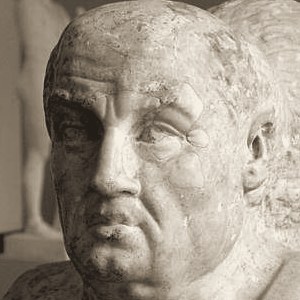
“Who is everywhere is nowhere.”
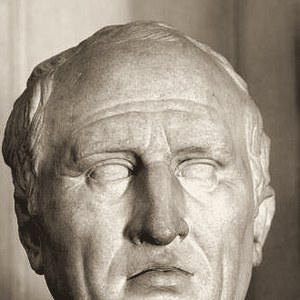
“If you have a garden and a library, you have everything you need.”

“Some books are to be tasted, others to be swallowed, and some few to be chewed and digested.”

“The reading of all good books is indeed like a conversation with the noblest men of past centuries who were the authors of them.”
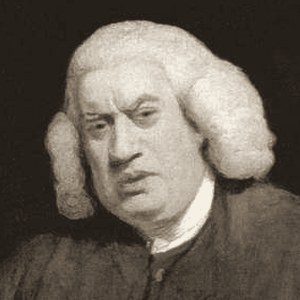
“A man ought to read just as inclination leads him; for what he reads as a task will do him little good.”
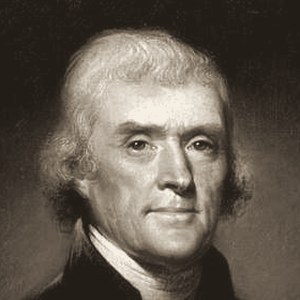
“I cannot live without books.”
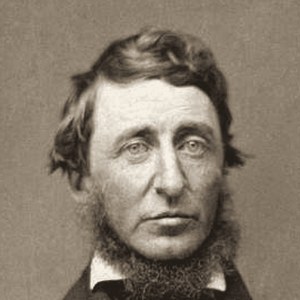
“Books are the treasured wealth of the world and the fit inheritance of generations and nations.”
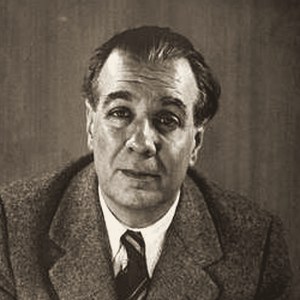
“I have always imagined Paradise as a kind of library.”
“Every book should be read no more slowly than it deserves, and no more quickly than you can read it with satisfaction and comprehension.”

“Books break the shackles of time. A book is proof that humans are capable of working magic.”
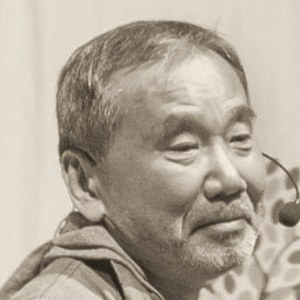
“Have books ‘happened’ to you? Unless your answer to that question is ‘yes,’ I’m unsure how to talk to you.”
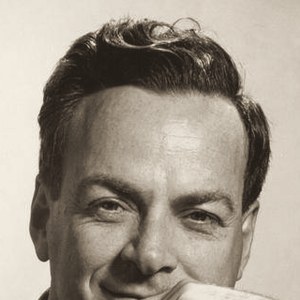
“Did you know that it’s actually possible for you to say, ‘I don’t know enough about this to have an opinion’?”

“Books are not read by the majority because they read the Internet, which is like junk food for the mind.”
“Reading is an honor and a gift from a warrior or historian who—a decade or a thousand decades ago—set aside time to write.”
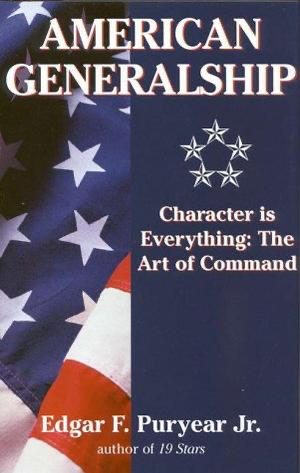
“Books are of the people, by the people, for the people. Literature is the immortal part of history.”
Portraits via Wikimedia Commons: Seneca, photo by Calidius (CC BY-SA 3.0); Cicero, photo by José Luiz (CC BY-SA 4.0); Francis Bacon by Paul van Somer; René Descartes after Frans Hals; Samuel Johnson by Joshua Reynolds; Thomas Jefferson by Rembrandt Peale; Henry David Thoreau by Benjamin D. Maxham; Jorge Luis Borges by Grete Stern; Carl Sagan, NASA/JPL; Richard Feynman, Nobel Foundation; Haruki Murakami, Ministerio de Cultura y Patrimonio del Ecuador (all public domain); Nassim Nicholas Taleb, photo by Sarah Josephine Taleb. Portraits are cropped and toned.
↑ Contents